Many investors continue to be concerned that we could be living through an AI-led bubble in investment markets.
Our view is that this discussion is extremely premature.
AI may eventually produce a bubble. Almost every transformative technology attracts excessive investment at some point. But the important question is not whether excess could develop, it is whether today’s market resembles the final stages of a speculative boom.
On the available evidence, it does not. We may still be five years, even ten years away from that point, perhaps longer.
This technology is already doing real work. AI is not simply a story about future possibilities. It is already producing tangible productivity gains.
A practical example comes from our own work at Dominion. One team member recently built a portfolio-monitoring application that updates in real time. Until very recently producing something similar might have required developers and a budget of perhaps $30,000. Today, it can be built using an AI-assisted vibe coding service costing around $50 per month.
That is not a minor improvement. It represents an extraordinary reduction in the cost of creating useful software.
The same process is beginning across the global economy: in research, customer service, administration, design, risk management, medicine and manufacturing. Even relatively modest productivity improvements would have enormous economic value when applied across millions of workers and businesses. Yet we are still at the beginning of adoption.
The critical difference in this boom is that supply remains constrained. Most investment bubbles ultimately create too much supply. High prices encourage companies to build factories, properties or infrastructure until supply exceeds demand. Prices then collapse, profits disappear and investment stops.
AI looks different today because the industry is still struggling to provide enough computing capacity.
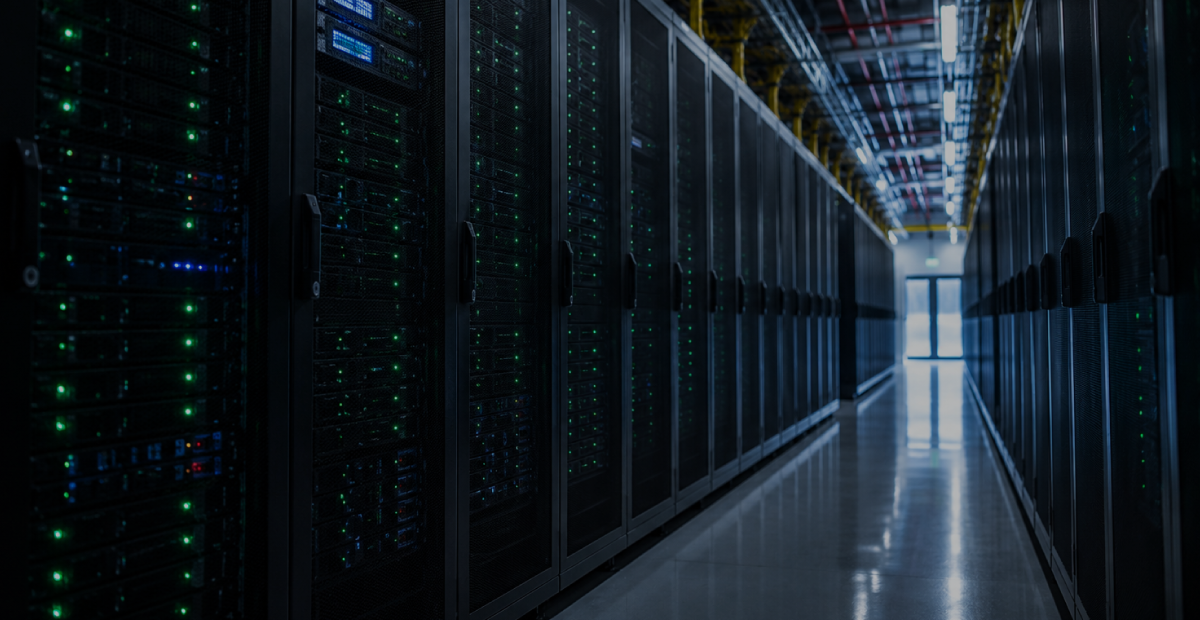
New data-centre capacity is being absorbed quickly. Leading cloud providers continue to report that demand exceeds available capacity. One recently increased its 2026 capital-expenditure plans specifically to accelerate the delivery of capacity, while another said customer demand across AI and conventional cloud workloads remained ahead of supply.
Demand is not literally infinite, but the potential appetite for cheaper and more capable machine intelligence is vast. Inference is the computing power used when an AI model answers a question or performs a task, and demand will increase as models become more useful and are embedded in more products.
Meanwhile, semiconductor manufacturing, advanced packaging, memory, networking equipment and electricity infrastructure all remain supply bottlenecks. The leading global chip manufacturer TSMC continues to describe a robust multiyear pipeline of AI-related demand and is investing heavily to expand capacity, but with 73% of global market share and 5 year timelines to build new factories, supply of the vital chips needed to power AI inference will remain constrained. This prolongs the length of this investment cycle for investors.
Resolving these constraints will take years, not quarters. Investors should therefore look beyond the most visible AI companies.
The opportunity extends through the entire ecosystem: chip design, semiconductor manufacturing equipment, foundries, advanced packaging, memory, networking, power management, cooling systems, data centres, cloud computing and, ultimately, the software businesses applying AI to real-world problems.
This supply chain stretches across the United States, Taiwan, South Korea, Japan and Europe. It is a genuinely global investment theme rather than a bet on one company or one market.
This is not the late-1990s internet bubble. Historical comparisons with railways, canals and the internet boom are useful. Each technology genuinely changed the world, but investors still lost money when enthusiasm produced overinvestment and absurd valuations.
The crucial difference today is profitability. Many of the largest companies funding and supplying the AI build-out already generate enormous revenues, profits and cash flows. During previous bubbles, many celebrated businesses had little revenue and no credible route to profitability.
What should investors do? For most investors, the sensible approach is to maintain significant exposure through diversified global equity technology funds. Reducing exposure today simply because somebody has used the word ‘bubble’ risks leaving the field before the transformation has properly begun. This trend has many, many years left to play out and we are likely still just at the beginning of this investment cycle.
Disclaimer: The views expressed in this article are those of the author at the date of publication and not necessarily those of Dominion Capital Strategies Limited or its related companies. The content of this article is not intended as investment advice and will not be updated after publication. Images, video, quotations from literature and any such material which may be subject to copyright is reproduced in whole or in part in this article on the basis of Fair use as applied to news reporting and journalistic comment on events.


